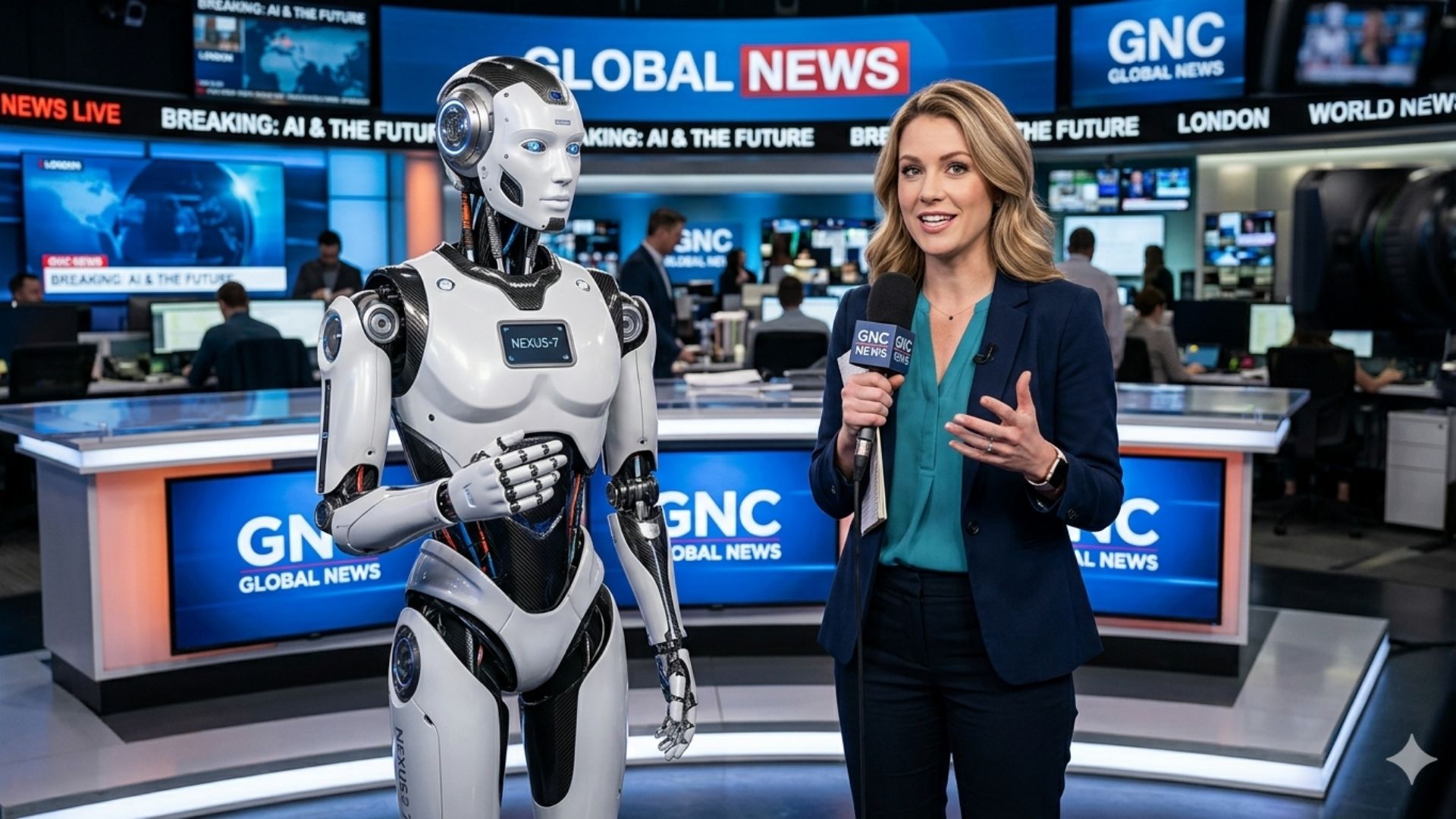
Recent industry analysis points to a future where AI becomes deeply embedded into newsroom operations, handling repetitive tasks, supporting decision-making, and helping teams move faster. The trend has been described as the rise of “agentic automation” – AI systems capable of completing multiple workflow steps while journalists remain firmly in control of editorial decisions.
According to industry forecasts from the Reuters Institute and other media research organizations, newsrooms are shifting from viewing AI as a standalone tool to treating it as part of their operational infrastructure. In other words, AI is becoming another layer of the newsroom technology stack.
For broadcasters, this raises an important question:
How do you introduce AI into newsroom workflows without sacrificing editorial control, security, or the unique way your teams work?
The Shift from AI Tools to AI-Powered Workflows
Many newsrooms have already experimented with AI tools for summarization, headline generation, transcription, or translation.
The next phase is different.
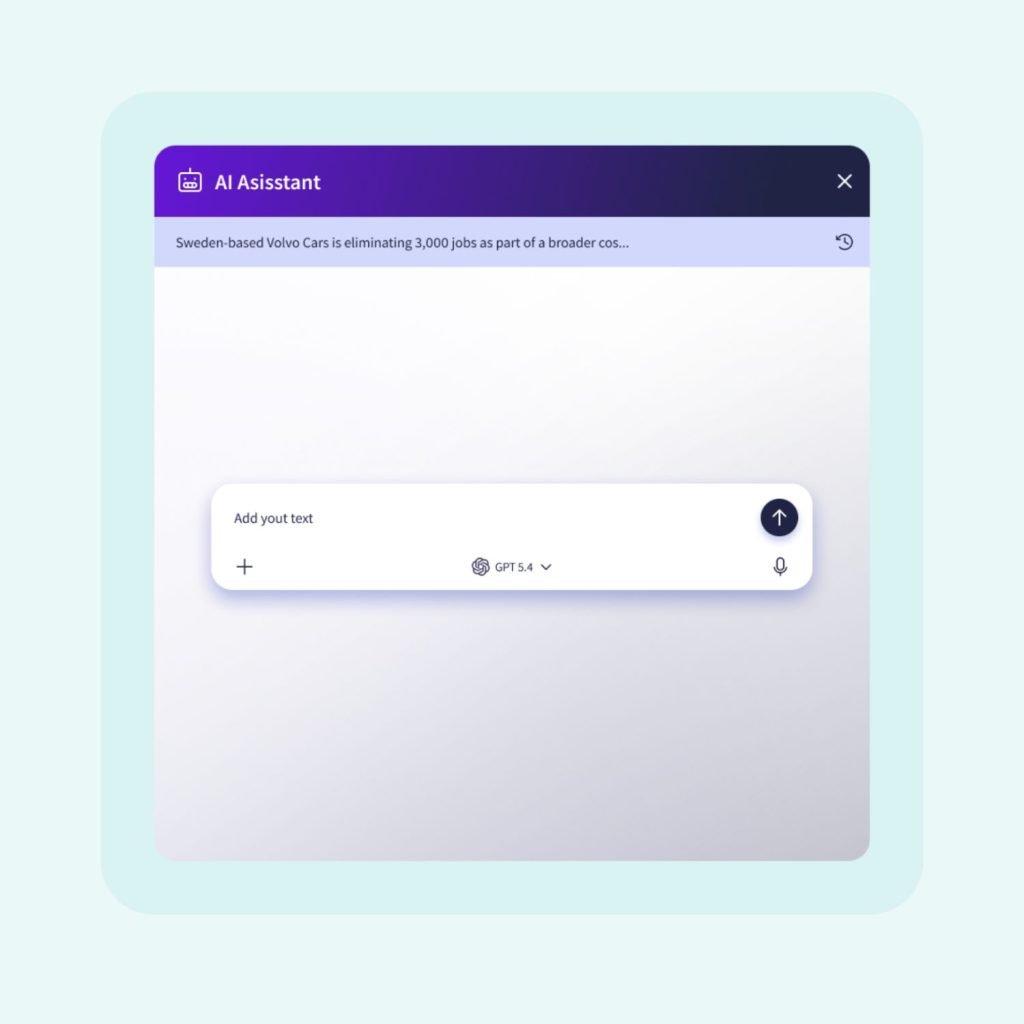
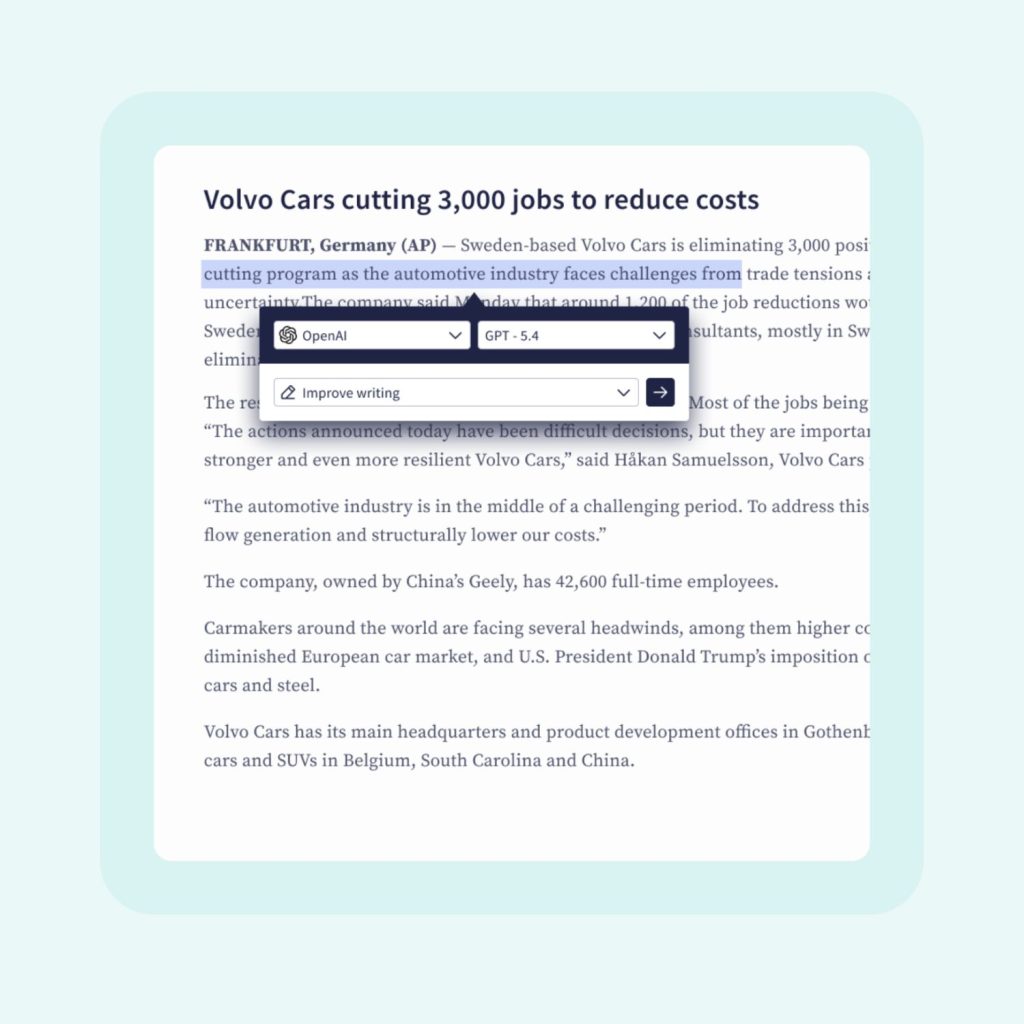
Instead of opening a separate application and manually copying content between systems, AI is increasingly becoming part of the workflow itself. Research, metadata generation, content discovery, summarization, translation, and production preparation can happen directly within newsroom systems.
This is where newsroom-specific AI becomes critical.
At Octopus Newsroom, we see AI as a workflow enhancer rather than a content generator. Our AI-powered workflows are designed to help journalists eliminate repetitive manual tasks while maintaining complete editorial oversight.
By integrating with more than 15 AI technologies, newsrooms can build personalized workflows that support their existing production processes rather than forcing teams to adapt to generic AI tools.
The result is faster production without compromising newsroom standards.
Why Context Is Becoming the Most Valuable AI Asset
One of the most interesting findings emerging from newsroom AI adoption is that generic AI often struggles with newsroom context.
A journalist working on a developing story doesn’t just need a summary. They need a summary that understands the story’s background, the editorial angle, related assignments, agency wires, previous coverage, and production requirements.
Without context, AI can generate content.
With context, AI can support journalism.
This is why Contextual AI is becoming increasingly important.
Unlike consumer AI tools that rely solely on prompts, Octopus Contextual AI uses information already available within the newsroom environment. Active assignments, rundown information, wire content, and related stories help shape responses and suggestions.
That means journalists receive assistance that is aligned with their actual coverage rather than generic responses generated from a public model.
The difference is significant.
The Future of AI Must Include Data Ownership
As AI becomes more deeply integrated into newsroom operations, broadcasters are becoming increasingly focused on a different challenge: where their data goes.
Many public AI platforms process information outside the broadcaster’s environment, creating concerns around compliance, confidentiality, intellectual property, and source protection.
This issue is becoming more important as AI moves from experimentation to daily production. News organizations need AI that works within their security framework, not around it. That’s why demand for local deployment options continues to grow.
With Octopus Local AI and on-premise LLM options, broadcasters can run AI capabilities within their own infrastructure or private cloud environments. Content remains under their control while journalists benefit from AI-powered assistance inside their existing workflows.
No external data sharing.
No uncertainty about where content is processed.
Just AI that respects newsroom security requirements.
Automation Is Expanding. Editorial Responsibility Isn’t Going Anywhere
Industry research consistently points to the same conclusion: AI is replacing tasks, not journalists.
Transcription, translation, metadata generation, content categorization, summarization, and workflow administration are increasingly becoming automated. But journalism itself still depends on human judgment, verification, source relationships, and accountability.
In fact, as deepfakes, misinformation, and synthetic content continue to grow, trusted journalism becomes even more valuable.
This is why the most successful newsroom AI strategies are not focused on replacing people. They are focused on removing friction. Every minute spent searching archives, organizing information, preparing content for multiple platforms, or manually repeating routine tasks is a minute not spent reporting.
AI’s greatest contribution may not be writing stories. It may be giving journalists more time to tell them.
Building the Human-Centered AI Newsroom
The future newsroom will undoubtedly use more AI than it does today. The question is not whether AI will become part of newsroom operations. It already is.
The real question is how broadcasters deploy it. The organizations that succeed will be those that combine intelligent automation with human expertise, using AI to accelerate workflows while keeping journalists firmly in control of editorial decisions.
At Octopus Newsroom, that’s exactly how we approach AI. Not as a replacement for journalists. But as technology that helps them work faster, stay in control, and focus on what matters most: producing trusted journalism.
______
Sources
ETC Journal: “AI in Journalism 2026–2027: More Agentic Automation“
Reuters Institute: “Journalism, Media and Technology Trends and Predictions 2026“
Associated Press: AI Strategy and Newsroom AI Initiatives