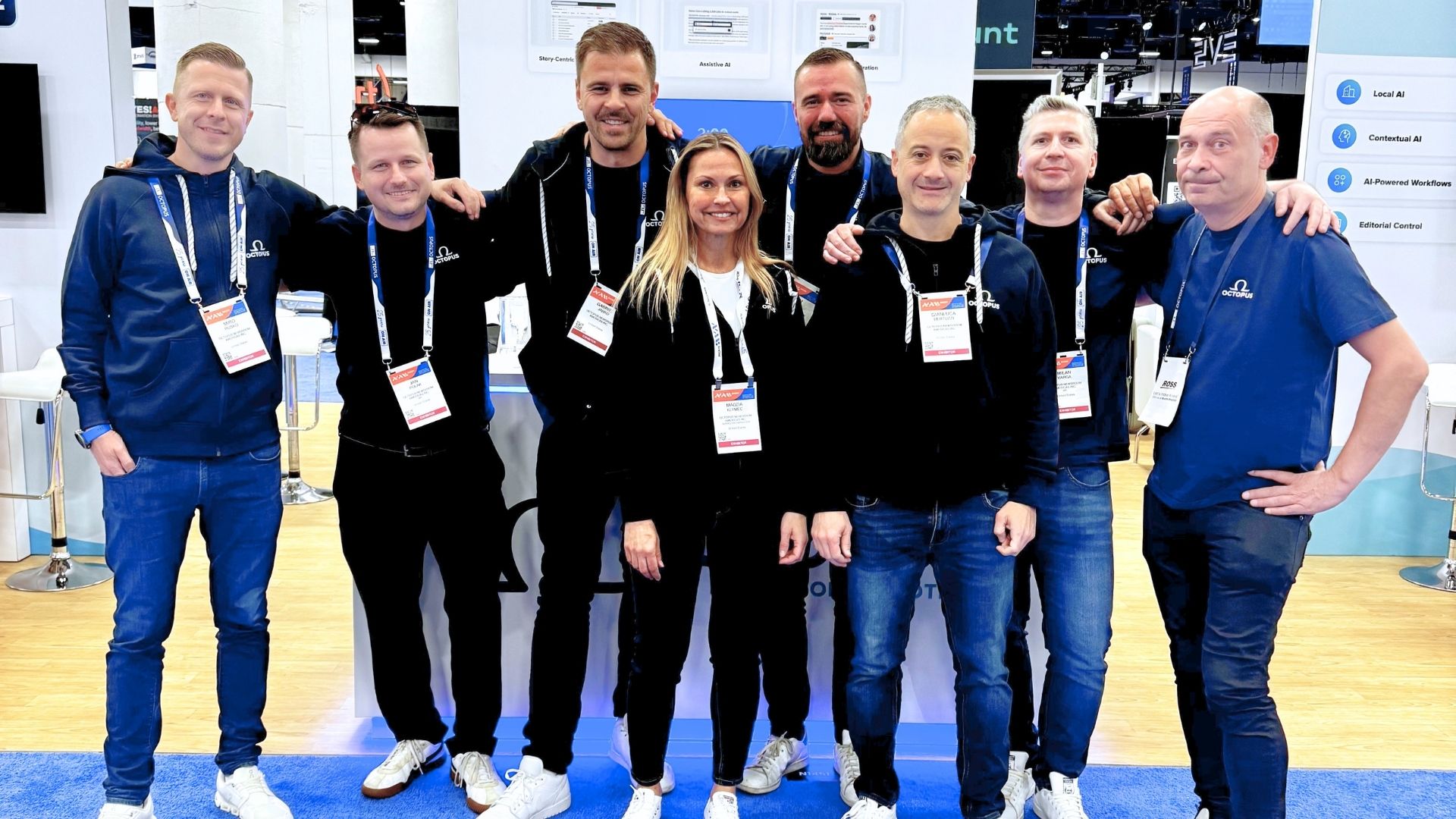
NAB Show 2026 is behind us – but the conversations it sparked are still very much in motion.
Over four intense days in Las Vegas, one theme kept coming back across meetings, demos, and discussions:
Newsrooms aren’t just getting faster – they’re becoming more connected, more flexible, and more story-driven.
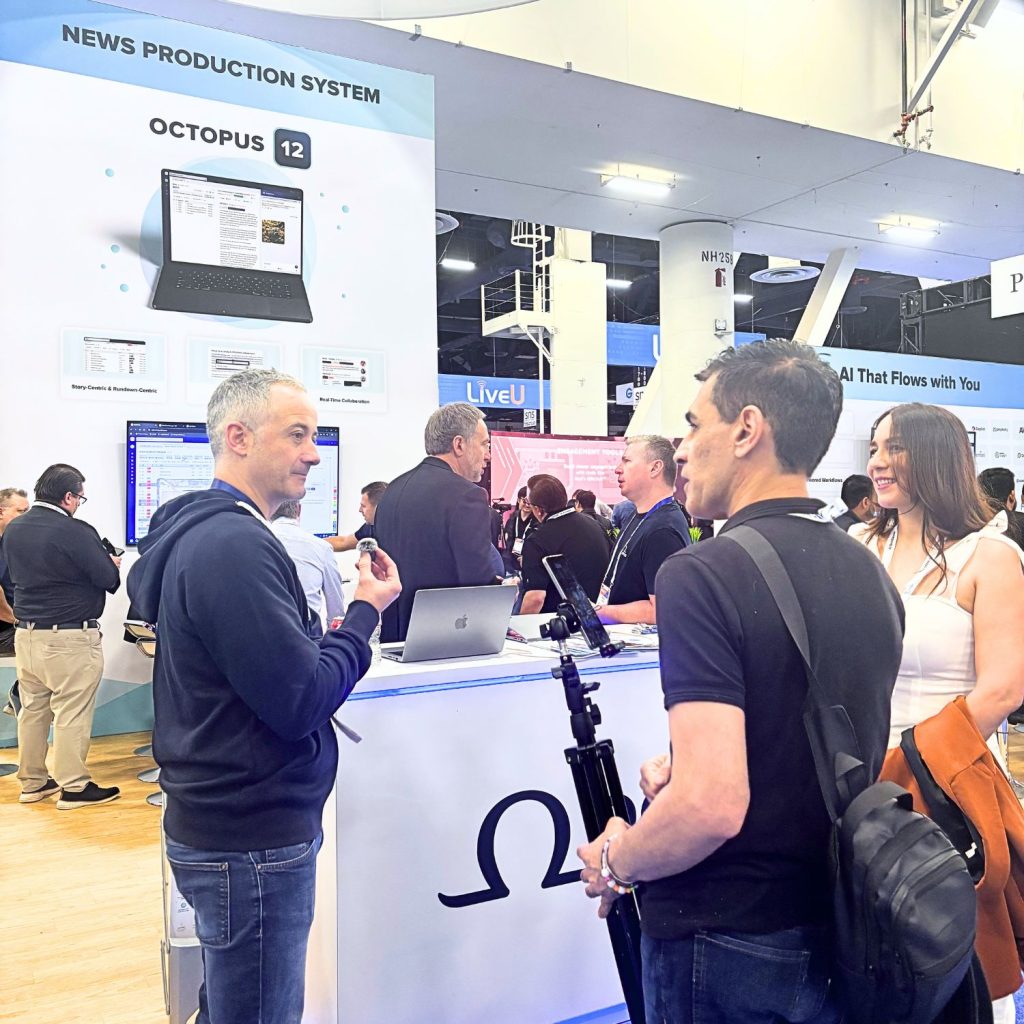
At booth N1451, we set out to show what that looks like in practice.
From Features to Real Workflows
Rather than focusing on individual features, NAB was about showing how everything connects.
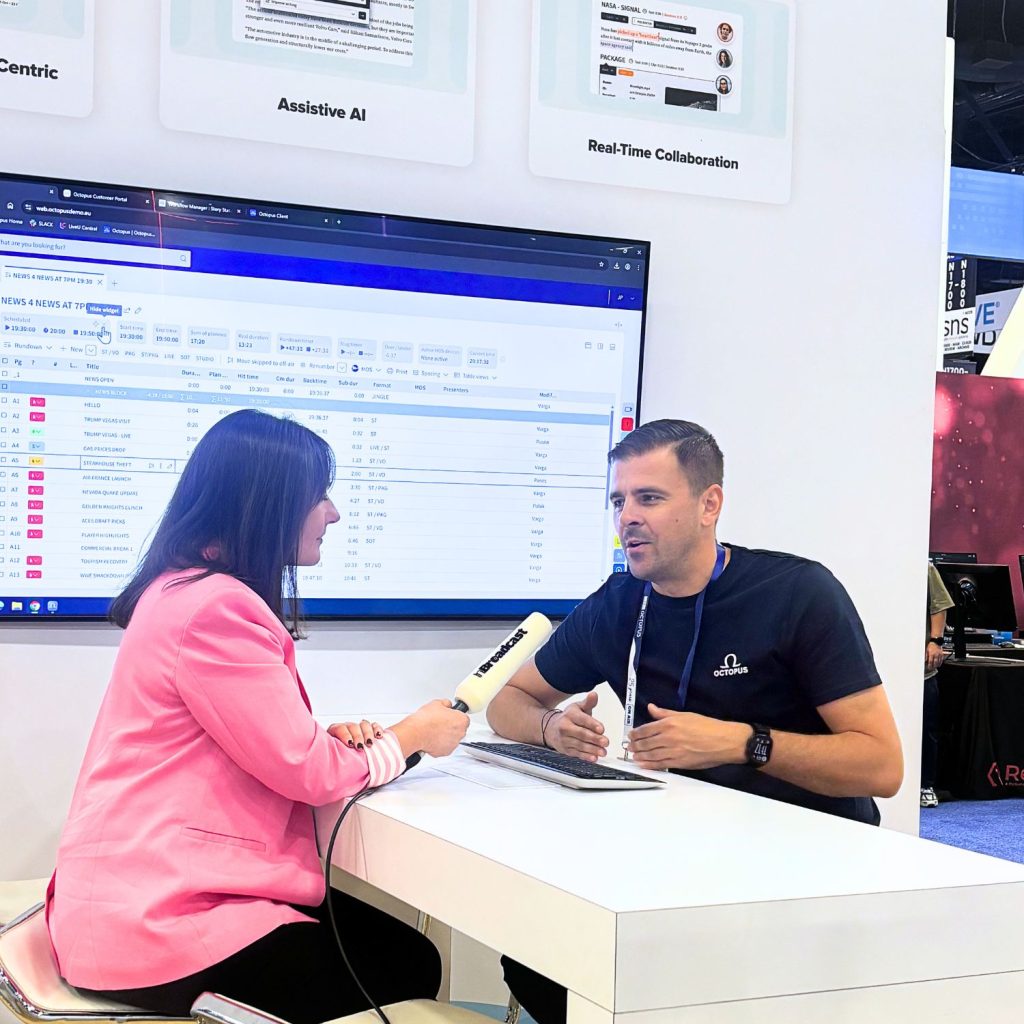
At the center is a story-centric workflow, where scripts, rundowns, assignments, and publishing all follow the story – not the other way around. In complex, multi-platform environments, that structure brings clarity and helps teams make faster editorial decisions.
What stood out in conversations with visitors was how important adaptability has become. Newsrooms don’t want rigid systems. They want workflows they can adjust themselves.
That’s where the No-Code Workflow Designer resonated most – giving teams the ability to shape and refine their processes without relying on developers, whether for breaking news, special formats, or evolving distribution needs.
AI That Fits Into the Workflow
AI was everywhere at NAB. But the real question wasn’t if newsrooms use AI – it was how.
The strongest response came from a simple idea:
AI works best when it’s part of the workflow, not a separate layer.
Instead of switching between tools, journalists can use AI directly where they already work—whether for research, structuring content, or refining scripts. Integrations with tools like Perplexity and Microsoft Copilot make that possible, while keeping the process natural and uninterrupted.
At the same time, concerns around control and trust came up in almost every conversation. That’s why Local AI drew attention-giving newsrooms the option to keep sensitive data within their own infrastructure, without compromising speed or usability.
A Truly Connected Newsroom
Another clear takeaway from NAB: disconnected systems slow everything down.
Modern production depends on how well tools work together – from editorial to control room operations. With a broad ecosystem of integrations, newsrooms can build workflows that match their reality instead of adapting to limitations.
A strong example is the integration with Sony ELC, where rundown changes instantly translate into control room execution. It’s a small shift in process, but a big shift in how smoothly teams can operate under pressure.
Because in live production, alignment isn’t a bonus – it’s essential.
Beyond the Booth
NAB wasn’t just about what we showed – it was also about what we heard.
Teams are dealing with faster news cycles, more platforms, and increasing pressure to do more without adding complexity. The common goal isn’t more tools – it’s better-connected workflows that actually support how people work.
That’s exactly where the industry is heading.
So, What Comes Next?
NAB Show 2026 may be over, but the direction is clear. Newsrooms are moving toward systems that are:
- story-driven
- adaptable
- connected
- and supported by AI that stays under their control
If we didn’t get a chance to talk in Las Vegas – or if you’d like to revisit what we demonstrated – we’re happy to pick up the conversation.
Because the real value of NAB isn’t just what happens on the show floor. It’s what happens next in your newsroom.
Don’t hesitate to hit that Book a demo button on our homepage; it’ll lead your newsroom to the future!