
On 4 October 2026, more than 50 Brazilian legislative broadcasters coordinated election coverage for a potential reach estimated at around 130 million people. With polls closing nationwide at the same time, they faced the challenge of delivering accurate, consistent results across broadcast, web and social platforms. When dozens of teams work in parallel, even a few minutes of delay can mean outdated figures on air or conflicting reports across outlets. The differentiator is not access to information, but the ability to coordinate people, content and newsroom workflows in real time – exactly what a newsroom computer system (NRCS) is designed to do.

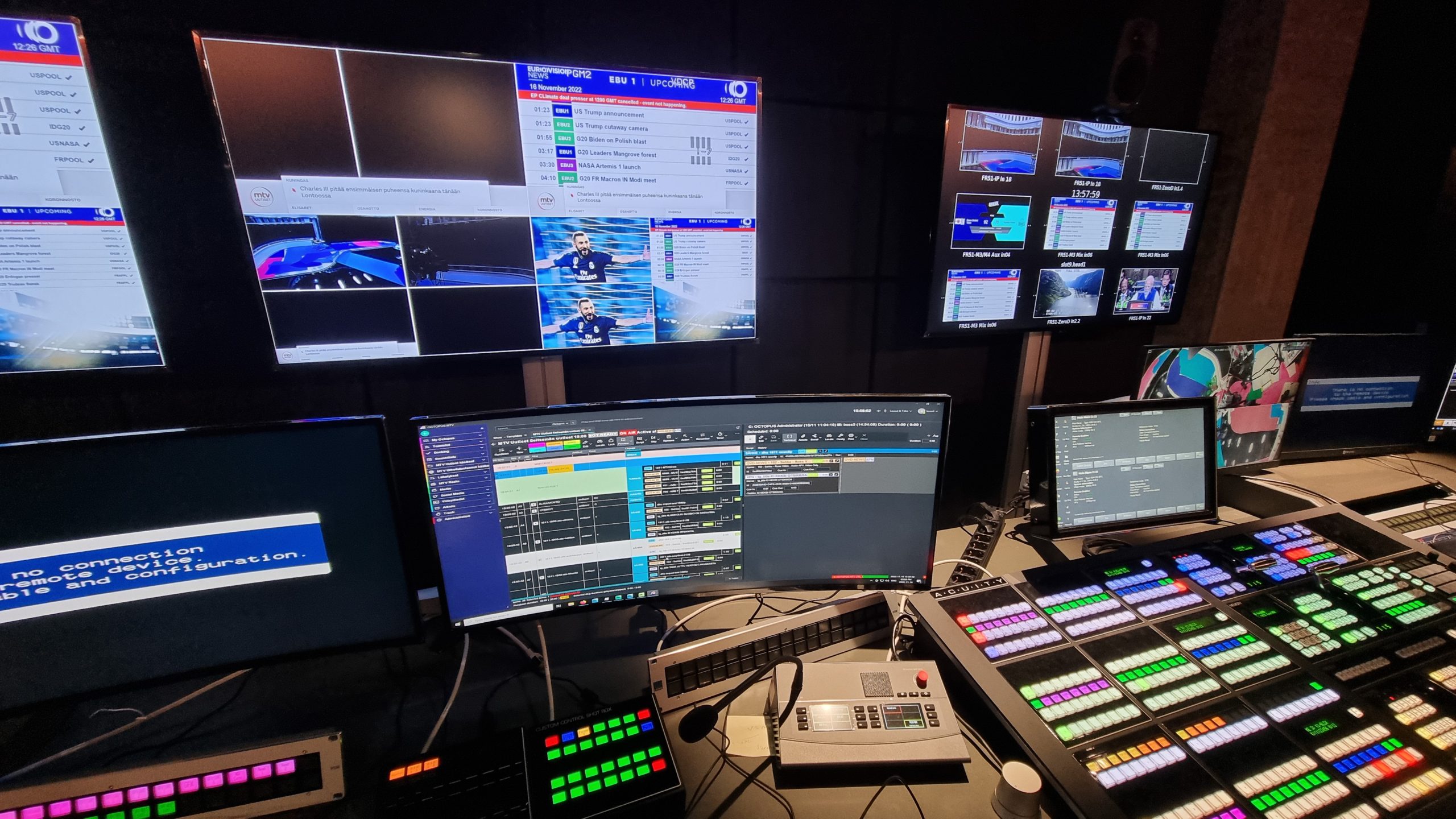
What does election coverage require from a newsroom computer system?
Four challenges recur in any large election broadcast, whatever the country.
- How do newsrooms triage incoming information during election coverage?
Official results, agency wires, electoral authority announcements, partner feeds and reporters’ updates can all arrive simultaneously. Newsrooms need to identify relevant information, verify it and get it to the right people without losing sight of the bigger picture.
Octopus brings together agency wires, RSS feeds, custom email inputs, social media monitoring and topic alerts, with search across stories, wires, media and assignments. This helps editorial teams find relevant information and keep developing coverage organised as events unfold.
- How do producers keep a long live broadcast on time when breaking news hits?
Planned timings rarely survive contact with a developing story. Interviews run long, results arrive at different speeds and breaking news changes the rundown.
Octopus rundown management keeps stories, segments and timing connected from planning through playout. Configurable timing columns, content-based duration calculations and presenter reading speeds help teams maintain a realistic view of the programme as it evolves.
During extended coverage, this visibility helps producers adjust the running order and keep the broadcast on track.
- How does one story reach broadcast, web and social without manual re-entry?
A confirmed result may need to become a broadcast script, a graphic, a web update and a social post. When teams work across disconnected systems, they must manually transfer information, risking duplication, delays and outdated versions.
Octopus connects planning, stories, scripts, rundowns and multi-platform publishing workflows in one editorial environment, helping teams work from a shared source of truth. Its flexible approach lets teams choose story-centric or rundown-centric news production, so broadcasters can preserve established workflows while connecting broadcast and digital newsroom teams. On election night, that means less time chasing updates and more time delivering accurate, consistent information across every platform.
- How can a newsroom change an editorial approval workflow mid-event?
Every major news event brings situations nobody anticipated. A change in editorial policy, an unexpected incident or a new verification requirement can force teams to adjust their processes while coverage is already underway.
Octopus supports real-time collaboration across teams and devices, including connections with Microsoft Teams, WhatsApp and Slack. Its No-Code Workflow Designer allows newsrooms to build and adapt approvals, publishing paths, notifications and task assignments through a visual, drag-and-drop interface.
For example, if editors decide that projected results require an additional verification step, they can adapt the relevant editorial workflow without turning every change into a development project.
How are AI tools used in election newsrooms, and who stays accountable?
Newsroom AI tools can help teams manage information overload, find relevant material and support editorial tasks. But during election coverage, speed must never come at the expense of accuracy or editorial accountability.
Octopus 13 introduces agentic workflows through the Octopus MCP Server. MCP, or Model Context Protocol, is an open standard that enables AI applications to connect with external systems in a structured way.
The Octopus MCP Server allows AI agents to access newsroom information securely, understand editorial context and interact with connected systems. This can support tasks such as retrieving stories, finding relevant archive material and assisting with research, moving beyond simple question-and-answer interactions towards practical newsroom workflow support.
Contextual AI can make this assistance more relevant by drawing on information from stories, rundowns and active assignments. Rather than working with a generic prompt alone, journalists can receive support informed by the editorial context in which they are working.
The Octopus AI ecosystem also supports integration with external AI technologies and flexible deployment options, including on-premises, cloud and hybrid environments, depending on the solution and configuration.
Crucially, AI should support journalists, not replace editorial judgement. Suggested content must remain reviewable and editable, with journalists and editors responsible for verifying facts and making publication decisions. During an election, where a projected result carries the broadcaster’s name, that distinction is fundamental.

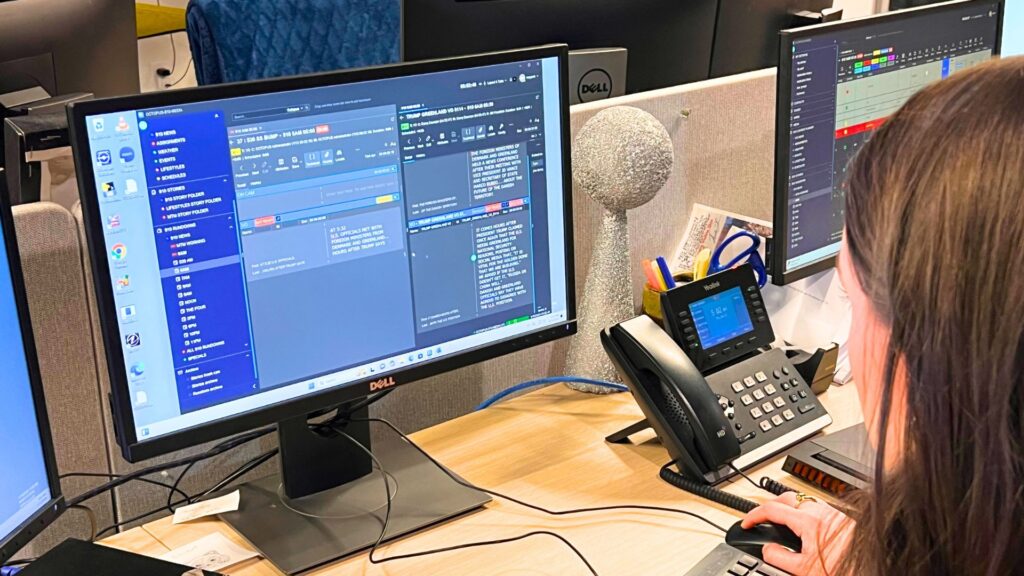
How do field reporters file directly into the newsroom system?
Covering elections across a large country like Brazil requires reliable collaboration with people beyond the newsroom. This starts with reporters in the field. The Octopus 13 Mobile Friendly Web Client gives field teams browser-based access to the newsroom system on phones and tablets, with no app installation required. Reporters can file updates directly into the same system used by studio producers, eliminating unnecessary phone calls and manual re-entry. Editors can track incoming material, its source and status in real time.
Election coverage also depends on eyewitnesses and trusted contributors who can capture events that professional crews may not reach — from queues at polling stations to incidents at vote-counting centres. Octopus iReporter is a dedicated user-generated content (UGC) and citizen journalism platform for newsrooms, available as a channel-branded mobile app and web portal. Contributors can submit full-resolution video, while the newsroom receives the original footage and usage rights under the platform’s submission process.
Turning newsroom coordination into performance
Large-scale election coverage highlights a daily challenge for broadcasters: coordinating people, content and workflows across teams and platforms while maintaining editorial control. Octopus is a newsroom computer system built for exactly that challenge. It connects editorial planning, field reporting, content creation and publishing in one flexible newsroom environment, helping teams collaborate, adapt quickly and deliver accurate, consistent coverage. With embedded AI that keeps editorial teams in control, Octopus enables broadcasters to work efficiently and respond to changing priorities without compromising editorial independence.
Curious to learn more about Octopus Newsroom solutions? Contact our team!